

Three-Sided Billboard
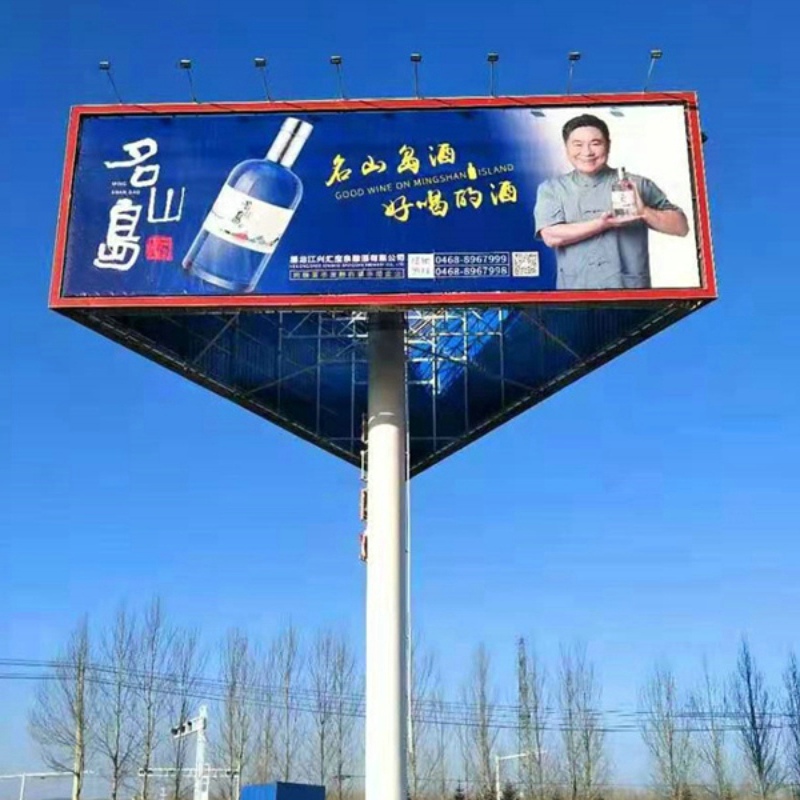
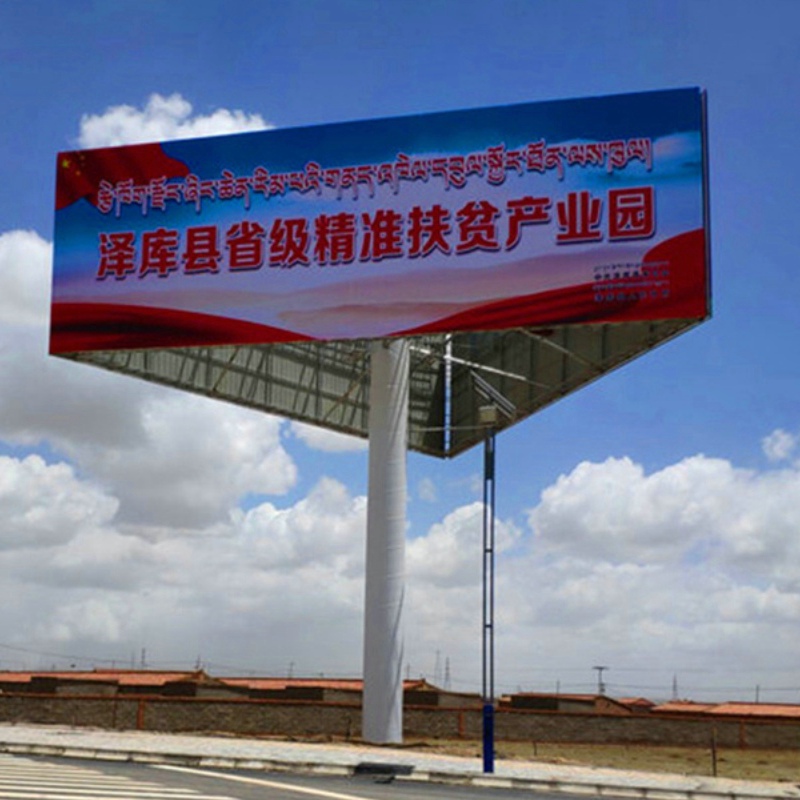
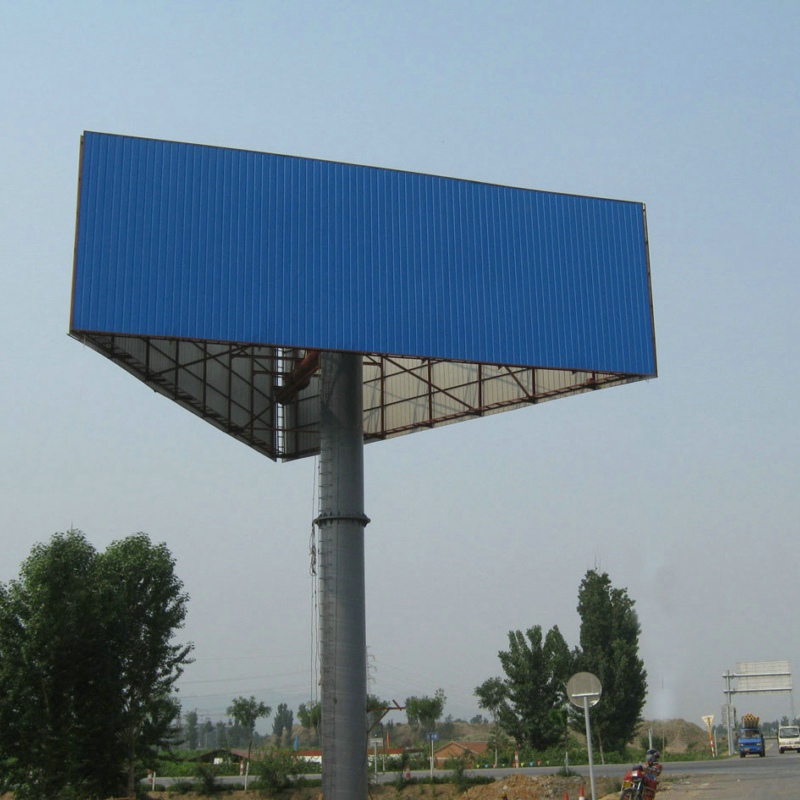
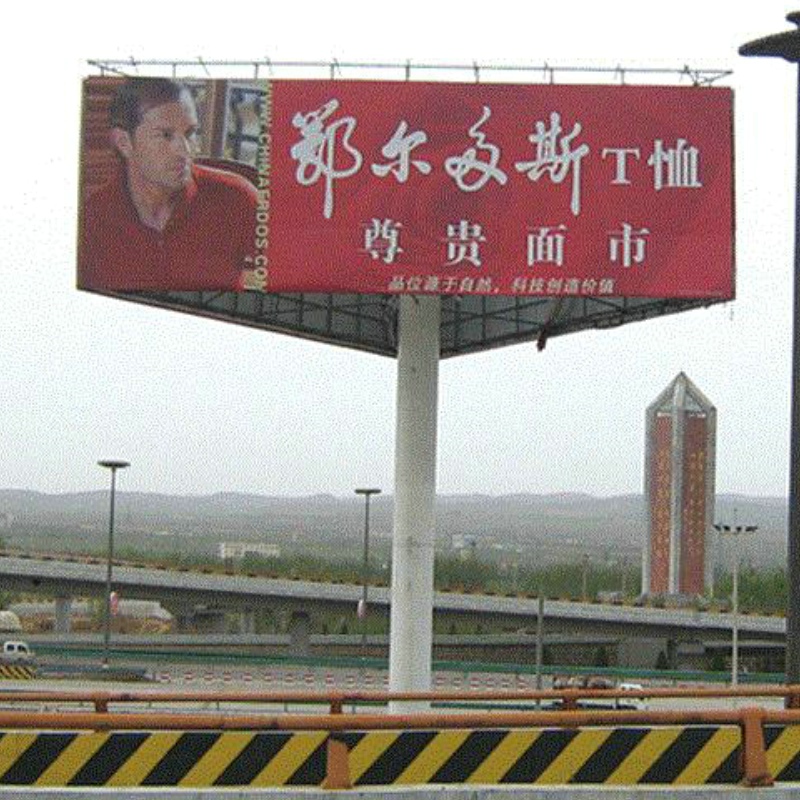
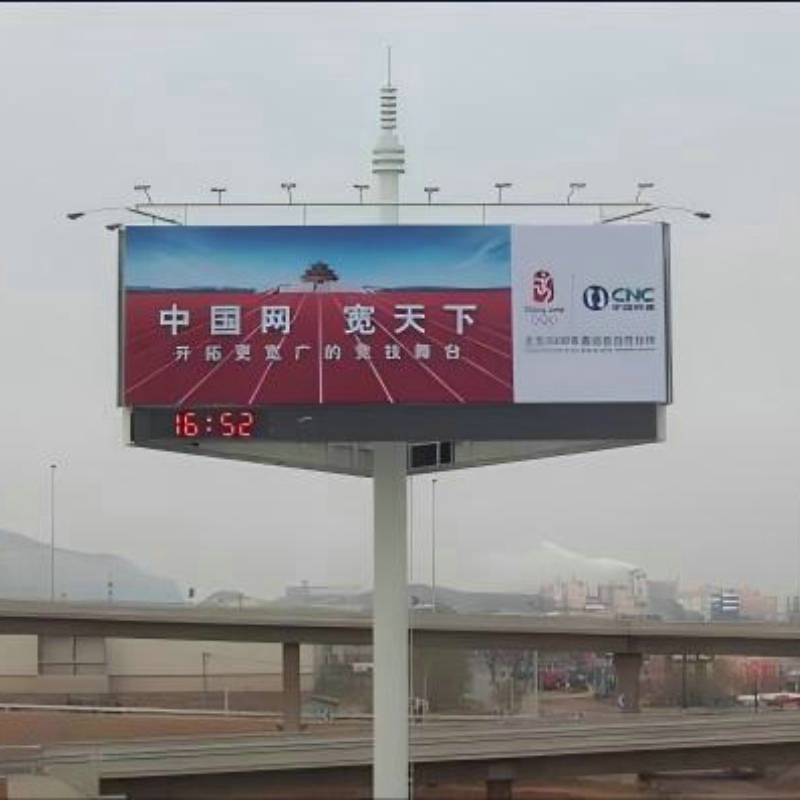
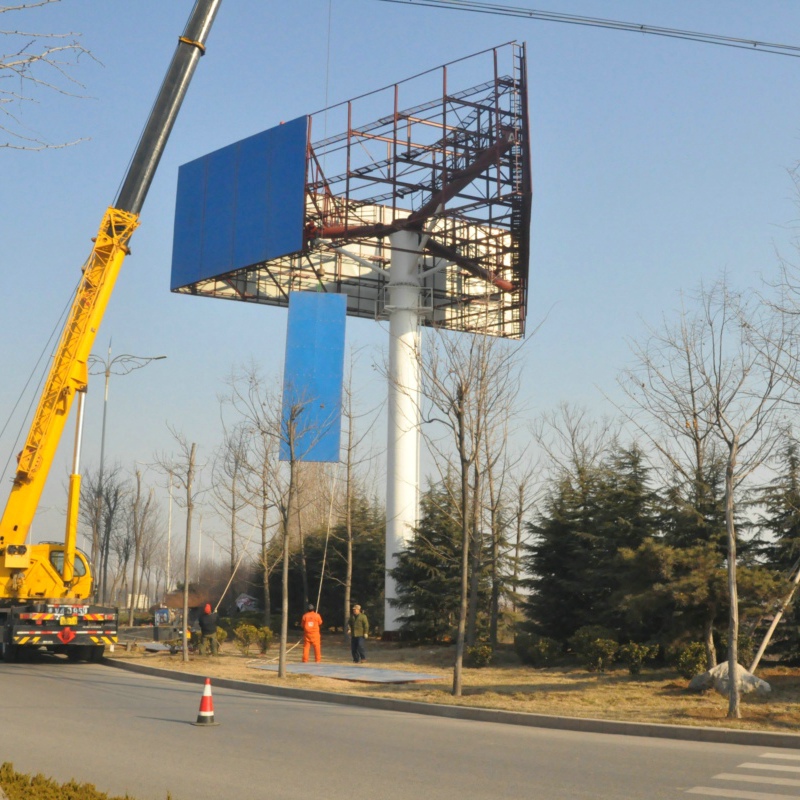
A three sided billboard is an outdoor advertising structure that carries three display faces arranged around a single steel column, normally at equal angles of 120 degrees.
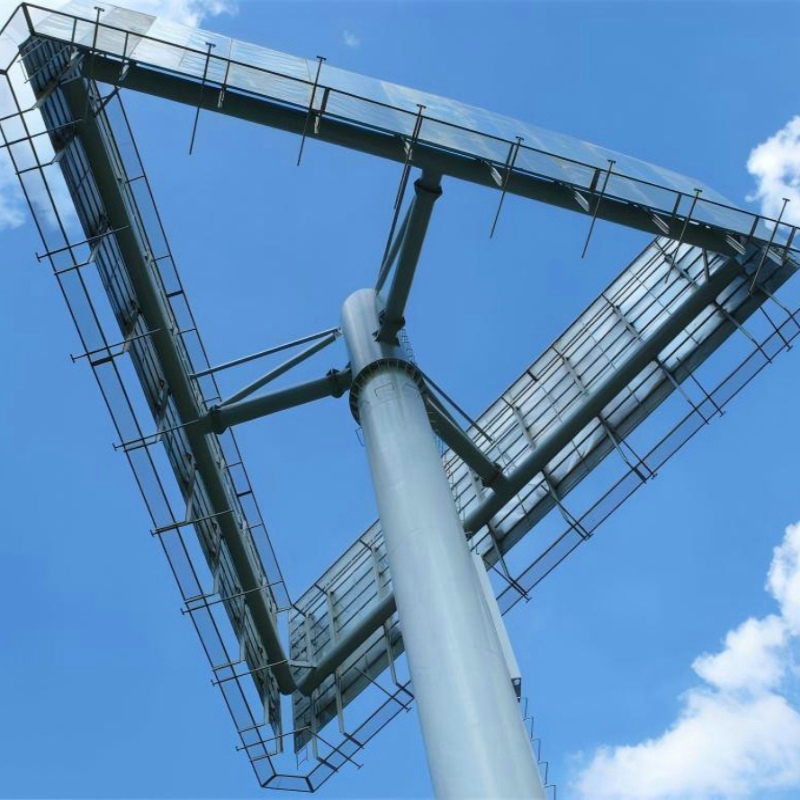
It is used where traffic approaches from three directions, such as roundabouts, T-junctions and urban intersections. The faces are set on a triangular frame tied back to the column, and the whole assembly is designed as one structure rather than three separate panels.
-
Three-Sided Unipole Billboard – Maximum Visibility from Three Directions
-
Super UV resistant Triple Faced Billboard
-
Docking Assembly of Upper Part to Plyon of Three Faced Billboard
-
Hoisiting Advertising Framework for Outdoor Billboard
-
Unipole Three-sided Hoarding Billboard
-
18m by 6m Large Three Sided Billboard
-
Large-Fornat Triple Faced Unipylon Billboard
-
Three Sided Billboard with Three Torsion Beams
-
Customized Three Sided Outdoor Billboard
-
Instantly Recognizable Three-Sided Outdoor Billboard
-
Triple-Sided Billboard
-
Bolt-assemby Triple-Faced Billboard



Product types
- Equal-angle triangular unit — three identical faces at 120 degrees, the standard arrangement for roundabout sites.
- Custom-angle triangular unit — face angles adjusted to the road geometry, with the frame designed for the resulting asymmetry.
- Three sided unit with internal access — service ladder and platform inside the triangular frame for lamp or LED maintenance.
Technical specifications
| Item | Available configuration |
|---|---|
| Display configuration | Three faces around one column, typically 120 degrees apart |
| Main support | Single circular or polygonal steel column with triangular tie frame |
| Panel size | Project specific, equal or unequal faces |
| Structural steel | Q235B or Q355B, or project-specified grade |
| Wind load | Designed for the governing face plus the shielded faces at the site wind speed |
| Surface protection | Hot dip galvanizing; optional topcoat |
| Access | Internal ladder, optional platform per face |
| Foundation | Single anchor-bolted base on concrete footing |
Engineering and fabrication
The controlling case for a three sided structure is rarely the face that takes the full wind; it is the combination of one loaded face and two partly shielded faces, which produces biaxial bending and torsion at the column base.
We model the three faces as one assembly, check the tie frame for the unbalanced case, and size the base plate and anchor group for the combined moment. The triangular frame is jig welded so that the three faces stay coplanar within tolerance, and each face is braced independently so a damaged panel does not load the remaining two.
Applications
Roundabouts and traffic circles, T-junctions and fork intersections, urban squares and plaza edges, shopping centre approaches, and any site where a single structure has to face three traffic streams. The format also suits locations where land is limited, because three exposures share one foundation.
Customization
Face angles, face sizes, column height, internal access arrangement, coating colour and the split between shop-welded and site-bolted connections are set per project. For angled sites we ask for a site plan or the road geometry so the face angles can be fixed before structural design.
FAQ
Must the three faces be at 120 degrees?
No. 120 degrees is the default for a symmetrical site, but the angles can be set to the road geometry. Any change from equal angles increases the torsion on the column and has to be accounted for in the design.
Can the three faces have different sizes?
Yes, within limits. Unequal faces are common on real junctions, and the frame and column are then designed for the actual load distribution rather than a symmetrical assumption.
Is one foundation enough for three faces?
In most cases yes, and that is the main civil cost advantage of the format. The footing is sized for the combined overturning moment, which is larger than a single face but smaller than three separate structures.
How is access arranged for maintenance?
Through an internal ladder inside the triangular frame, with an optional platform at each face. External ladders are also possible where the client prefers them.
Request a quote
Send the site layout or the three face sizes and the site wind condition, and we will confirm the face angles and return a structural proposal.