

What Foundation Information Should a Billboard Manufacturer Request? | QX Outdoor
Answer: The manufacturer should request a geotechnical report or soil-bearing information, site survey, available footing area, underground utility constraints, groundwater conditions and any existing foundation drawings. Structural reactions and anchor-bolt layouts must be coordinated with the locally responsible foundation engineer before fabrication.
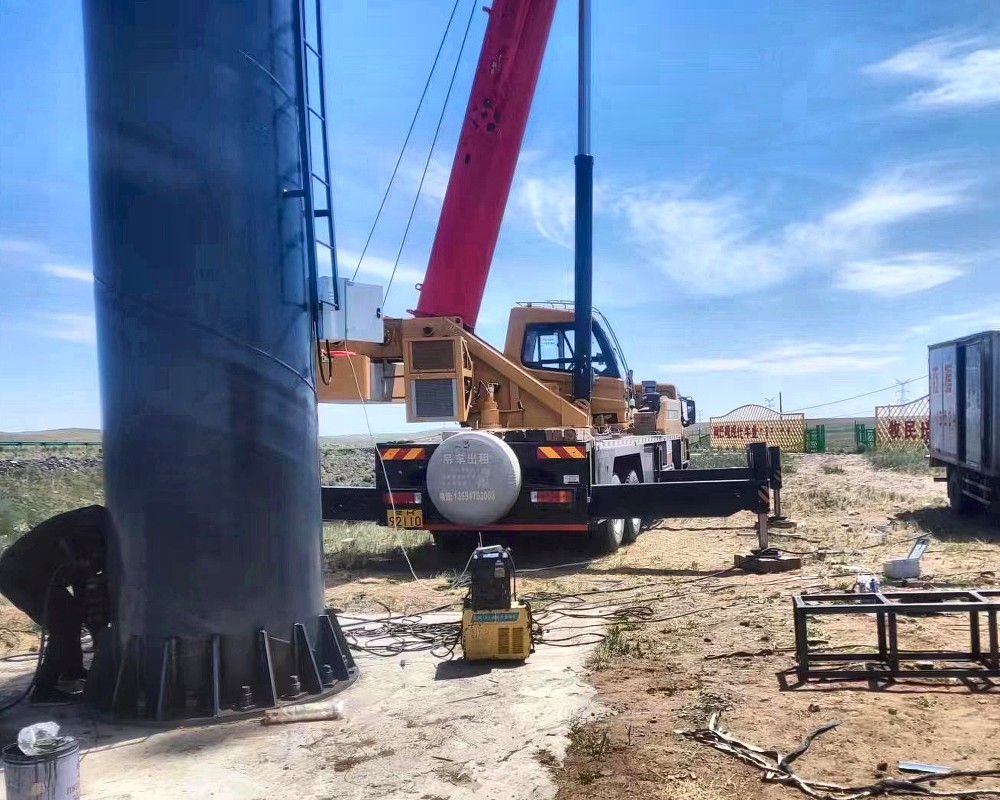
What the Manufacturer Supplies
The split of responsibility should be explicit in the quotation.
Base reactions: axial load, shear, overturning moment and torsion
Anchor bolt diameter, grade, embedment and layout drawing
Recommended minimum concrete grade and base plate detail
Erection tolerances for the anchor bolt positions
What the Local Engineer Needs
Concrete design belongs with the engineer who can inspect the site.
Geotechnical report or at minimum an assumed bearing capacity
Ground water level and frost penetration depth
Local concrete practice, reinforcement availability and code edition
Adjacent services, drainage and excavation constraints
Common Foundation Mistakes
Most billboard failures reported on site trace back to the base, not the pole.
Anchor bolts set out of tolerance, making the base plate unstressable
Under-estimated overturning moment from a lower assumed wind speed
Insufficient curing time before erection loads are applied
No allowance for corrosion protection of the embedded steel
Frequently Asked Questions
Can the foundation be precast?
It can, but a precast base must be designed for transport and lifting loads as well as service loads, and it usually only suits smaller structures.
Who is responsible if the foundation fails?
Responsibility follows the design split. That is why the quotation should state clearly which party designs the foundation and to which loads.
How long should concrete cure before erection?
It depends on the mix, temperature and specification. The engineer's curing requirement should be stated on the drawing, and erection should not start before it is met.
Get Loads and an Anchor Bolt Plan
Send your soil information and site constraints, and we will return base reactions, bolt layout and a foundation recommendation within 48 hours.
Email: qxbillboard@qxgg.com | Tel: +86-311-85651263