

Hot-dip Galvanizing to Painting the Structures of your Billboard?
When it comes to safeguarding structural steel against corrosion, the question of how to choose the right way of anti-corrosion often arises. Two globally recognized methods dominate the industry: hot-dip galvanizing and painting. Each approach has distinct advantages, limitations, and ideal use cases—understanding these factors is critical to selecting the most cost-effective and durable answer for your project.
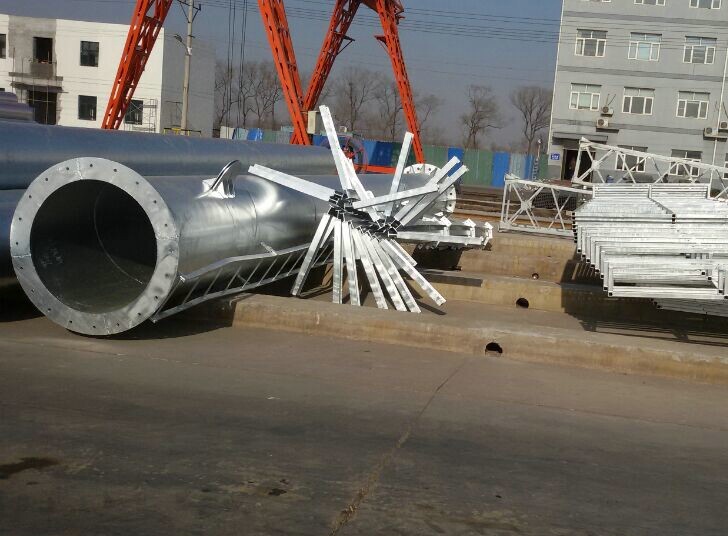
Hot-dip galvanizing involves immersing steel in molten zinc, creating a metallurgical bond that offers unmatched protection. This method provides long-term defense (often 50+ years in rural environments) with minimal maintenance, thanks to its self-healing properties and uniform coating. However, initial expenses can be higher than painting, and large-scale projects may face logistical challenges due to size limitations in galvanizing tanks.
Painting, on the other hand, is a flexible and custom answer. It allows for on-site application, color matching, and easier repairs. Modern epoxy and polyurethane coatings deliver excellent adhesion and chemical resistance. Yet, painted surfaces require regular inspections and recoating every 10–15 years, increasing life cycle expenses. Environmental factors like UV exposure and abrasion can also accelerate degradation.
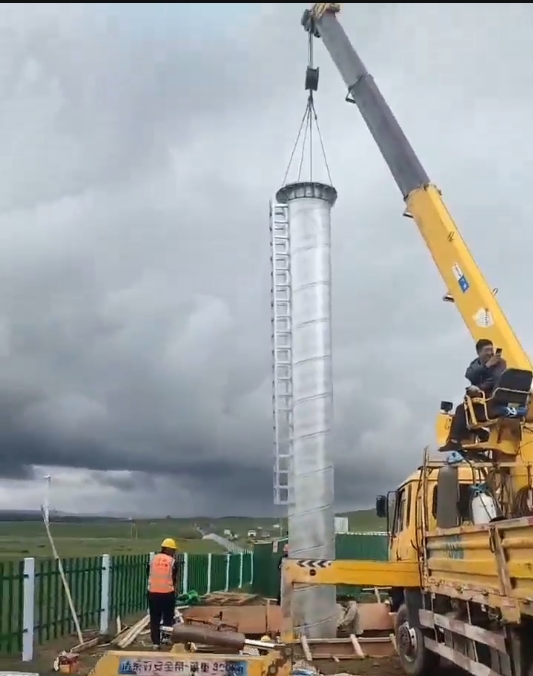
So, anti-corrosion or hot-dip galvanizing—which is right on your behalf? Consider these key parameters:
- Environment: Coastal or industrial settings demand galvanizing’s robust protection, while controlled indoor environments may favor paint.
- Project lifespan: Galvanizing suits long-term infrastructure (bridges, power towers), whereas painting fits short-to-intermediate-term structures.
- Budget: Painting has lower upfront expenses but higher maintenance fees over time.
At [Your Company Name], our expertise is analyzing your specific requirements to recommend the optimal corrosion protection strategy. Our team provides end-to-end support, from material testing to application guidance, ensuring compliance with international standards like ISO 1461 (galvanizing) and ISO 12944 (painting).
Whether you prioritize durability, aesthetics, or life cycle economics, understanding **galvanizing vs painting methods is the first step toward maximizing steel efficiency. Let us help you navigate this decision with tailored insights and technical expertise.
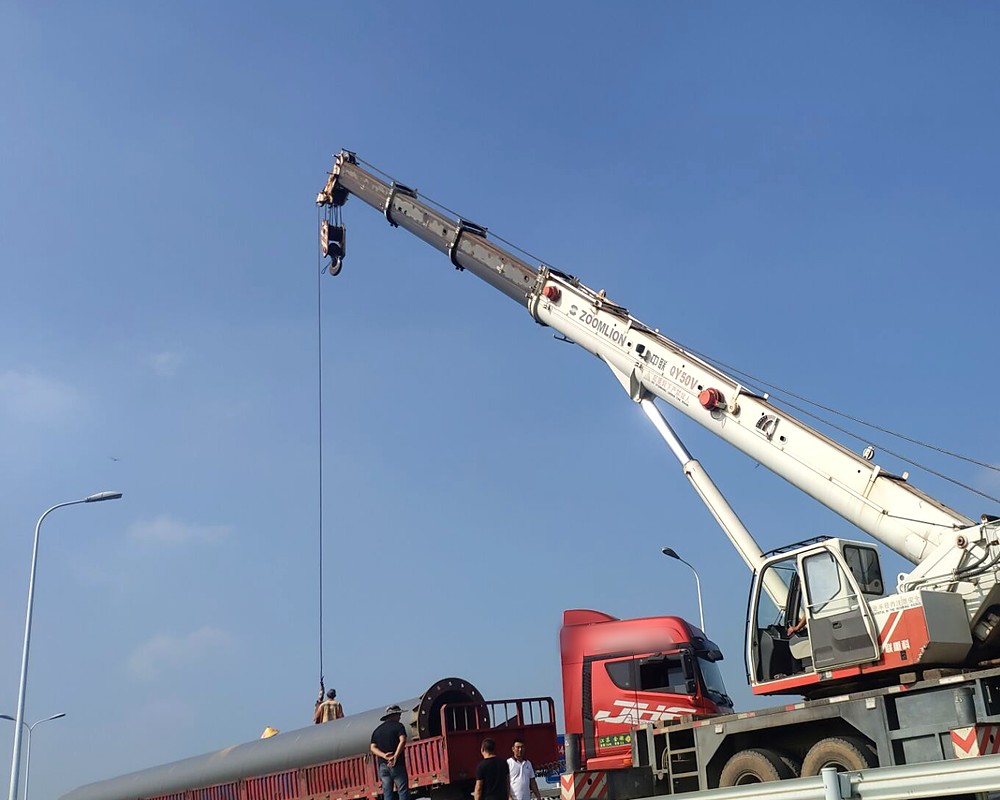 How a Billboard Steel Structure Quote Is Priced
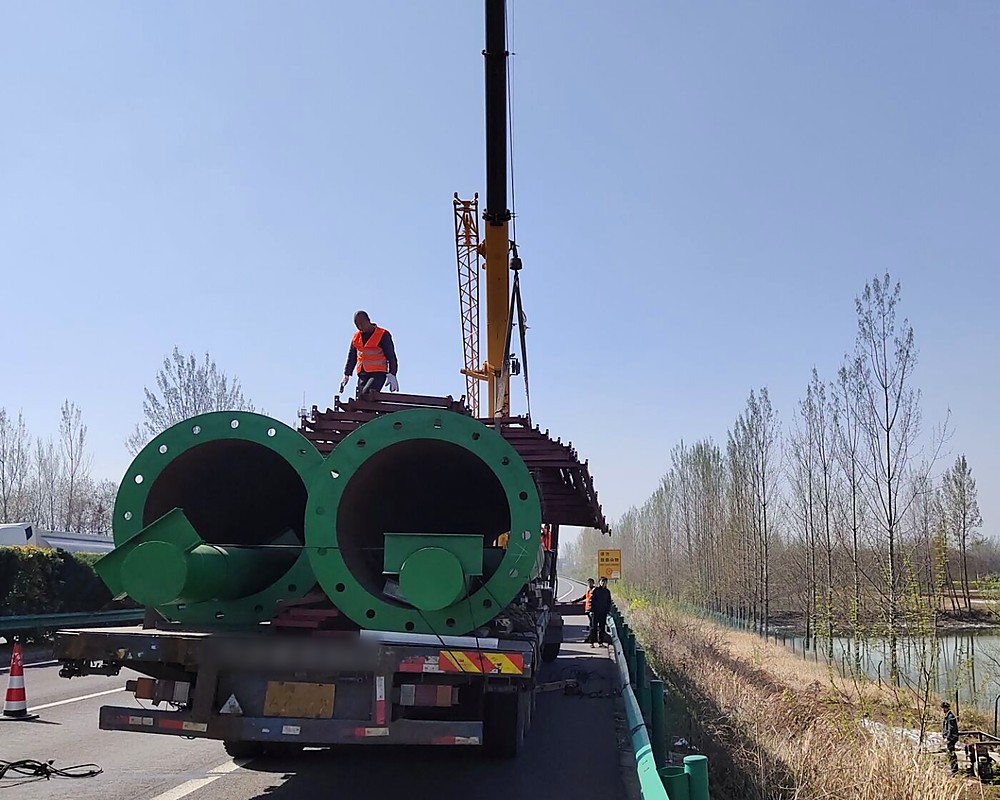 Billboard Structure Inspection: 12-Point Annual Checklist
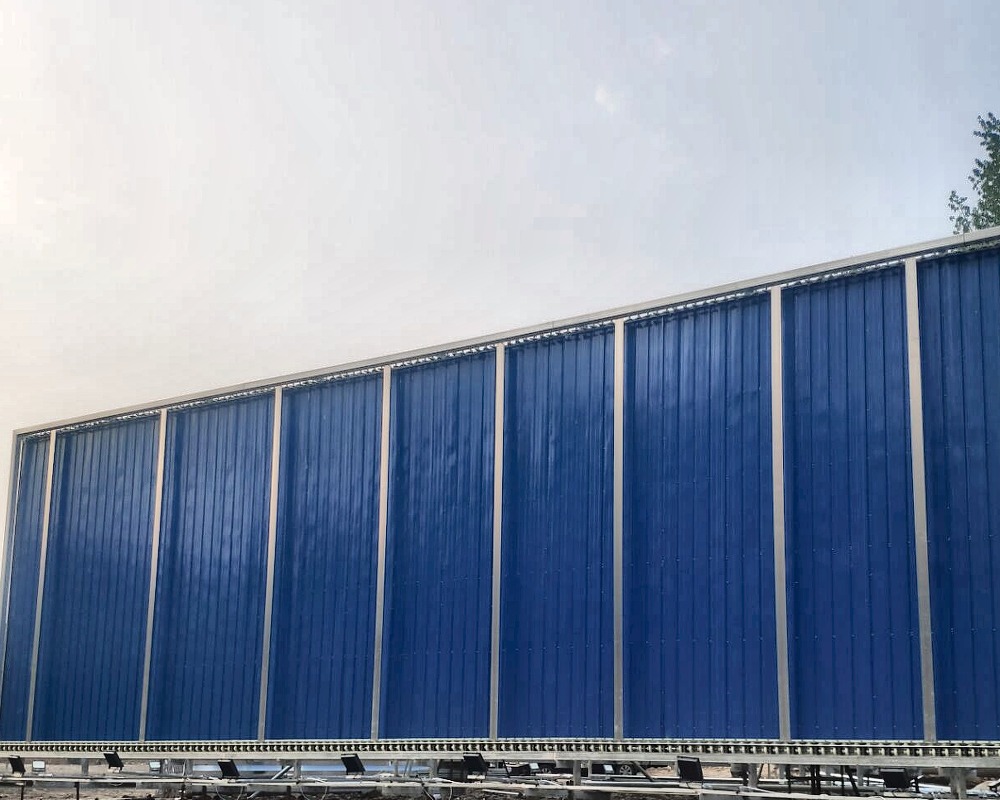 Billboard Frame Deflection: What Limits Apply?
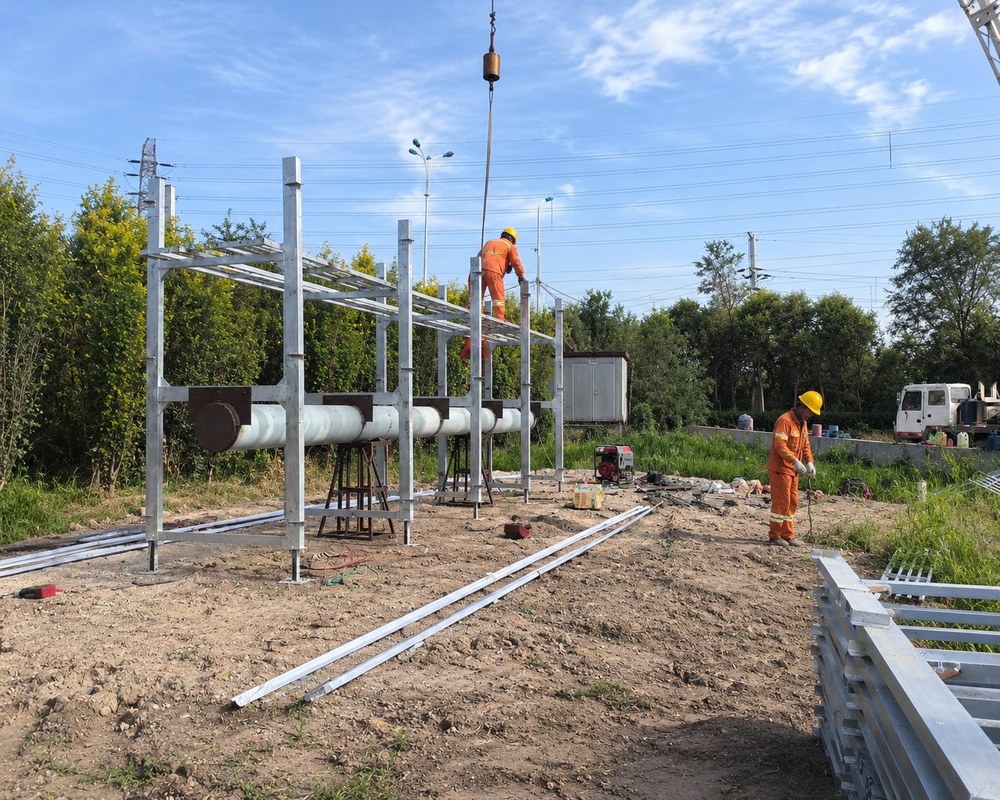 Hot-Dip Galvanising for Billboard Steel: What to Specify
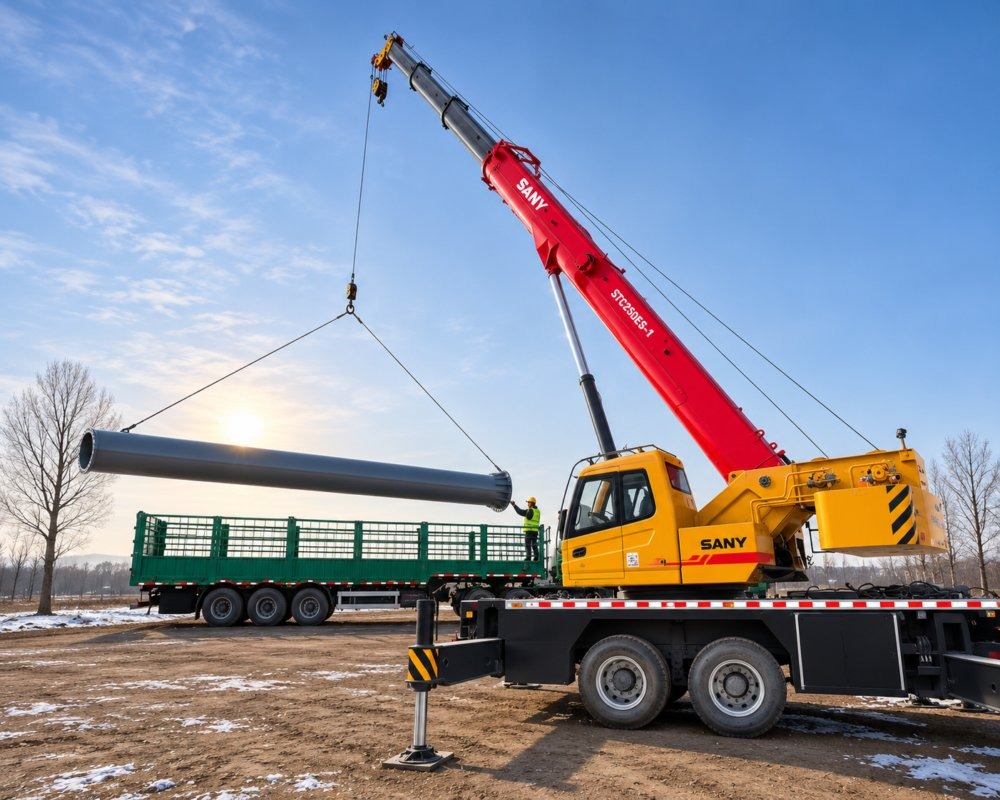 Steel Grade for Billboard Structures: A36, S355 or Q355?
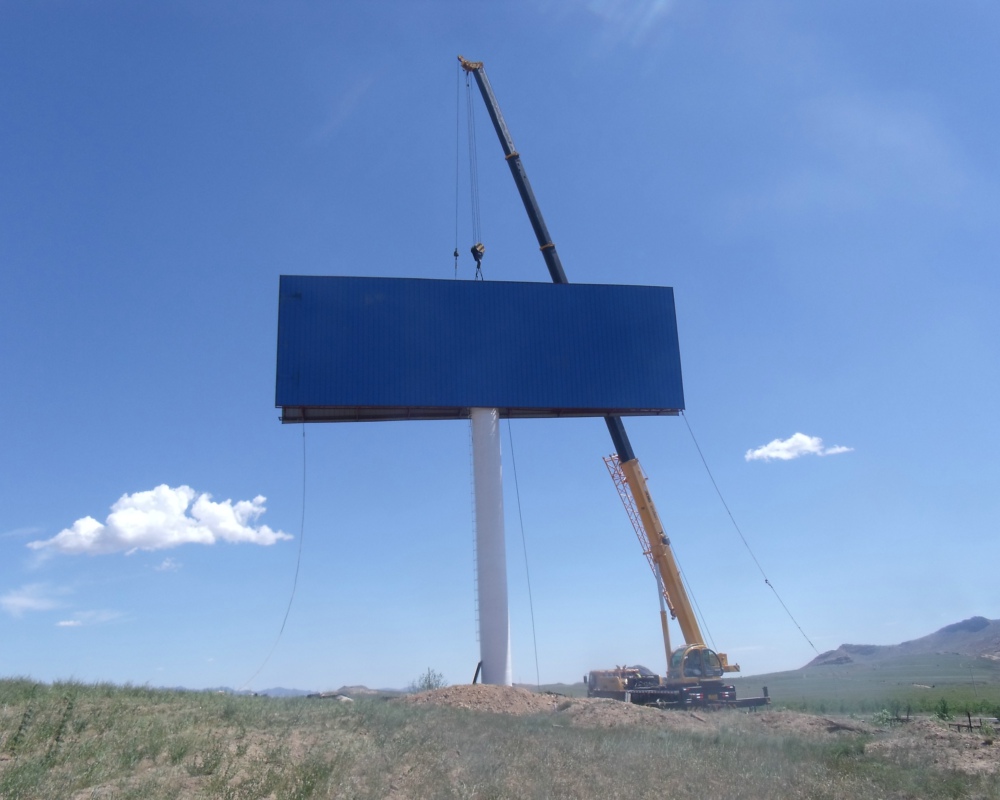 Wind Load Design and Installation Essentials for Outdoor Billboard Steel Structures | QX Outdoor
 Offset Cantilever Billboard Planning: Five Questions Before Fabrication
 QIANXI Outdoor Develops Wind-Resistant Engineering Solutions for Long-Term Outdoor Advertising Structures
 QIANXI Outdoor Expands LED Billboard Structure Solutions for Digital Outdoor Advertising Markets